Product Development
Scaled Solutions More than just a software development At Scaled Solutions, we understand the cost of revisions, so we will make sure that we take time to understand your business and expected solution before we code.
Scaled Solutions More than just a software development At Scaled Solutions, we understand the cost of revisions, so we will make sure that we take time to understand your business and expected solution before we code.
Ensure the product concept directly supports the overarching goals of the business—whether that's market expansion, customer retention, revenue growth, or brand positioning. This step involves stakeholder alignment, market analysis, and competitive benchmarking to confirm the product is a strategic fit.

Before development begins, assess the commercial viability of the product. This includes market demand validation, cost estimation, pricing strategy, break-even analysis, and projected ROI. It helps to avoid sunk costs in unprofitable ventures.

Translate business goals into product-level requirements. Define target users, use cases, core functionalities, technical constraints, and key performance indicators (KPIs). This acts as the foundation for the design and development phases.
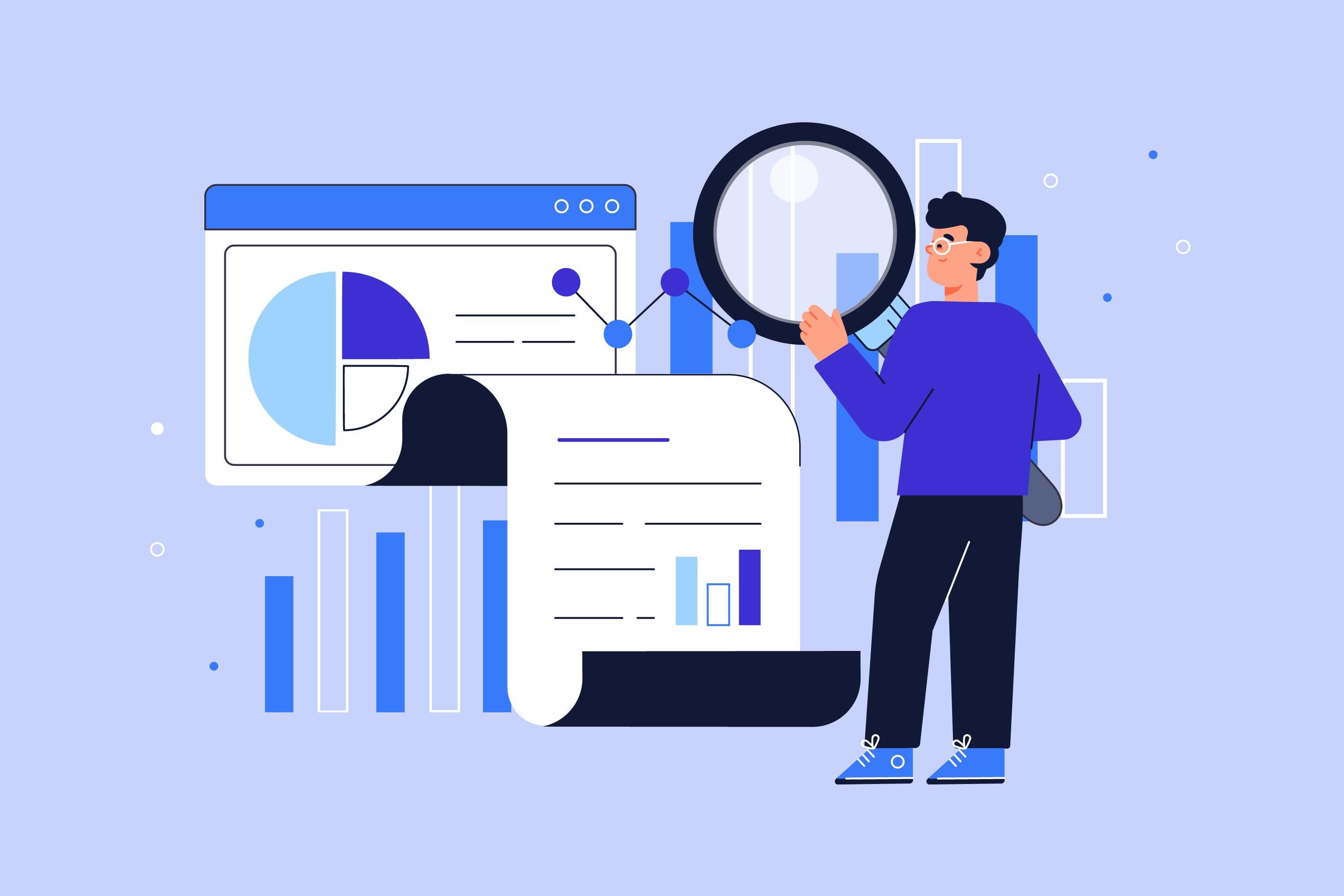
Develop wireframes, UX/UI mockups, or early-stage prototypes to visualize the product. Validate assumptions through user testing and stakeholder feedback. This iterative design process helps reduce rework during development.
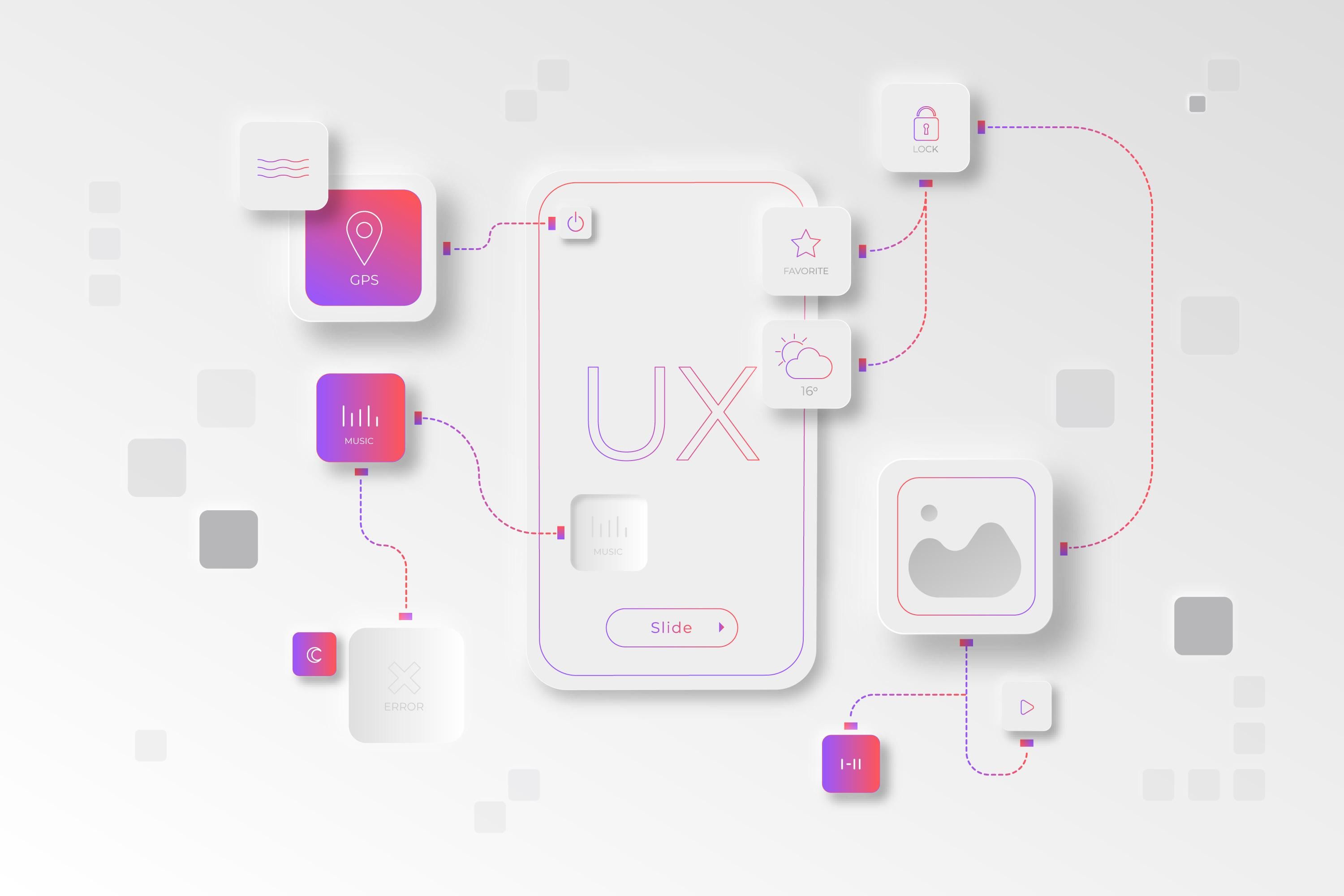
Build the product using agile or hybrid methodologies. This involves cross-functional collaboration among developers, designers, testers, and product managers to deliver incremental releases that are testable and value-driven.

Integrate forward-looking technology choices (e.g., AI, microservices, cloud-native infrastructure) that align with long-term goals. Consider maintainability, scalability, and integration potential with existing systems.
Thoroughly test the product (functional, performance, and security testing). Align with marketing, sales, and support teams to create launch plans, onboarding materials, and support infrastructure.

Release the product to users, monitor real-world performance, and gather feedback using analytics tools, support channels, and user surveys. Ensure operational readiness and rapid issue resolution post-launch.

Use insights from customer feedback, usage data, and market changes to guide regular updates. This could include feature enhancements, performance optimization, or usability refinements.

Establish a framework to consistently explore new ideas, technologies, and user needs. Encourage a culture of experimentation, A/B testing, and trend analysis to stay ahead of competitors and changing market demands.

 Align Product Vision
 Product Feasibility Analysis
 Product Requirements & Metrics
 Product Design & Prototype
 Product Development
 Tech Innovation & Scalability
 Product Validation & Testing
 Product Launch & Monitoring
 Continuous Improvement & Iteration
 Drive Continuous Innovation
.svg)